YTD Performance: Why Year-to-Date Results Matter for Investors
YTD Performance: Why Year-to-Date Results Matter for Investors
In the investment industry, performance measurement plays a critical role in evaluating the effectiveness of portfolio management and investment decision-making. Among the most widely used metrics by institutional investors, wealth managers, and financial analysts is YTD Performance, or Year-to-Date Performance. This indicator measures the return generated by an investment strategy, fund, or portfolio from the beginning of the calendar year up to the current date.
While long-term returns remain the ultimate measure of investment success, YTD Performance provides valuable insight into how a strategy is performing under current market conditions. It allows investors to assess whether portfolio managers are effectively navigating changing economic environments, market volatility, and shifting investment trends.
The importance of YTD Performance has increased significantly in recent years as markets have become more dynamic and influenced by a broader range of macroeconomic factors. Inflation, interest-rate changes, geopolitical developments, central-bank decisions, and technological disruptions can all influence market behaviour within relatively short periods of time.
For investors, YTD results offer an opportunity to evaluate how investment strategies respond to these evolving conditions. A positive YTD return may indicate effective portfolio construction, disciplined risk management, and successful security selection. Conversely, weaker performance may highlight challenges within specific sectors, asset classes, or investment approaches.
However, interpreting YTD Performance requires context. A return figure by itself rarely provides a complete picture. Investors should always consider the market environment in which those results were achieved. For example, generating a positive return during a period of elevated volatility and declining equity markets may demonstrate stronger investment skill than achieving similar returns during a broad market rally.
Risk-adjusted performance is therefore an important consideration. Professional investors often evaluate not only how much return a portfolio generated but also how much risk was required to achieve those results. Metrics such as volatility, drawdowns, Sharpe ratios, and downside protection complement traditional YTD analysis.
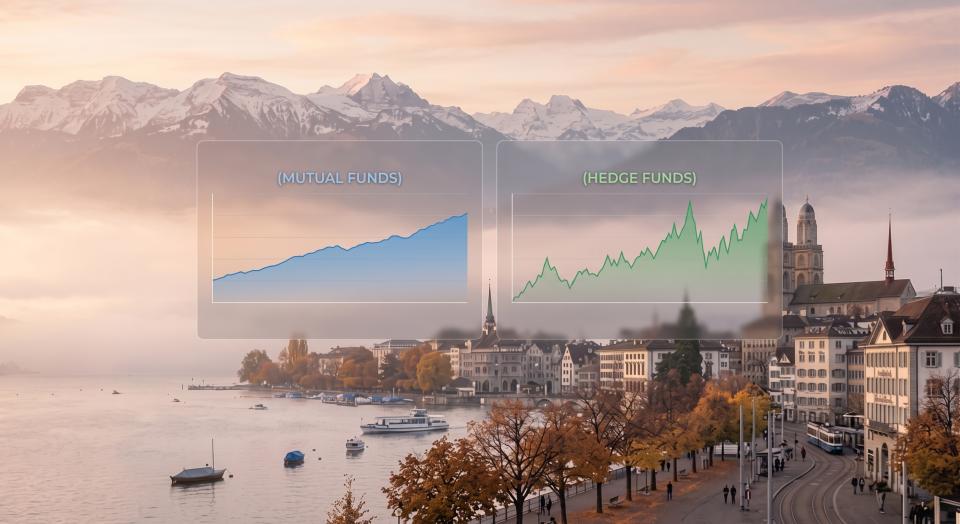
One of the advantages of monitoring YTD Performance is the ability to compare different investment strategies. Equity funds, hedge funds, fixed-income portfolios, multi-asset solutions, and alternative investment strategies may all respond differently to changing market conditions. Comparing year-to-date results helps investors understand which approaches are performing most effectively within a given environment.
The analysis of YTD results can also reveal important trends within financial markets. Strong performance in specific sectors may indicate changing investor preferences, while underperformance in other areas can signal emerging risks or shifting economic conditions.
For hedge funds and active investment managers, YTD Performance often serves as an important indicator of the effectiveness of portfolio positioning and risk management. Active managers continuously adjust exposures, rebalance portfolios, and respond to market developments in an effort to generate alpha. Year-to-date results provide an ongoing assessment of these decisions.
Institutional investors frequently use YTD analysis when conducting manager reviews and portfolio evaluations. Pension funds, endowments, insurance companies, and family offices regularly compare performance against benchmarks, peer groups, and long-term objectives.
It is important to recognize that short-term performance should not be the sole basis for investment decisions. Markets can experience temporary dislocations, sentiment-driven movements, and short-term volatility that may not reflect the fundamental quality of an investment strategy. Therefore, YTD performance should be analyzed alongside longer-term track records and investment processes.
Diversification also plays an important role when evaluating year-to-date returns. Different asset classes and investment strategies may perform well at different stages of the market cycle. A diversified portfolio may deliver more stable results over time even if certain components temporarily underperform.
As market conditions continue to evolve, investors increasingly seek transparency and timely information regarding portfolio performance. YTD Performance provides a practical framework for monitoring investment progress while maintaining focus on broader long-term objectives.
Ultimately, successful investing requires balancing short-term evaluation with long-term discipline. While YTD Performance offers valuable insights into current portfolio effectiveness, it is most powerful when combined with a comprehensive understanding of risk, strategy, and market context.