Which Hedge Fund Has the Highest Return: Myths, Realities, and Long-Term Lessons
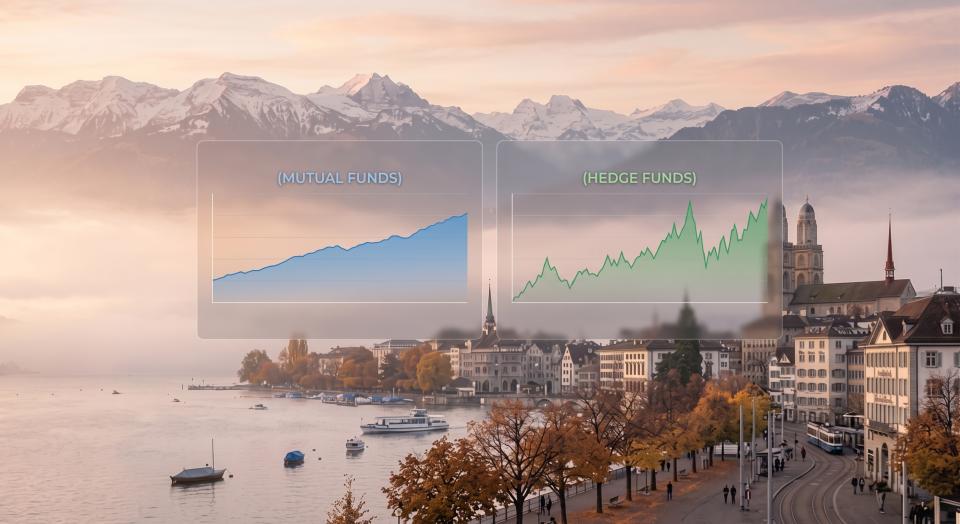
The question which hedge fund has the highest return is one that captures the imagination of investors and the public alike. Hedge funds are often portrayed as secretive and extremely profitable, capable of producing outsized returns that far surpass traditional mutual funds or index funds. Stories of legendary hedge fund managers making billions in a single year fuel the idea that there must be a single fund that always sits at the top of the global ranking. Yet the reality is much more nuanced. The hedge fund industry is diverse, performance varies greatly from one strategy to another, and even the most successful funds go through cycles of strong gains and difficult periods.
When examining which hedge fund has the highest return, it is useful to begin by understanding how returns are measured. Some rankings focus on annual performance, highlighting funds that achieve 50 or even 100 percent in a single year through highly concentrated bets. Others evaluate cumulative performance across decades, considering not only absolute returns but also consistency and risk-adjusted outcomes. This distinction is important because a fund that delivers extraordinary gains in one year may not survive the next downturn, while another fund with lower annual numbers may prove to be the best performer over a generation.
Historically, certain hedge funds have achieved legendary status due to their returns. For example, in the 1990s and early 2000s, macro hedge funds that bet on currency movements or sovereign debt often dominated the rankings. Equity long/short funds that skillfully combined stock picking with short selling have also produced impressive results. More recently, quantitative hedge funds using advanced algorithms and artificial intelligence have risen to the top, sometimes generating double-digit annual returns in environments where traditional managers struggled. However, no single hedge fund can permanently hold the title of which hedge fund has the highest return because markets change, strategies evolve, and competition intensifies.
Another important factor is survivorship bias. Many investors who search for the answer to which hedge fund has the highest return look only at existing funds with long records of success. Yet for every fund that survives and thrives, dozens disappear quietly due to poor performance, regulatory issues, or manager mistakes. This reality means that published rankings often exaggerate the apparent performance of the industry as a whole.
The highest-return hedge funds often share certain characteristics. They tend to have highly skilled managers with unique insights into specific markets, such as emerging economies, distressed debt, or technological innovation. They are often smaller in size when their best performance occurs, because smaller funds can be more nimble and able to take concentrated positions. They also frequently operate with significant leverage, magnifying both their gains and their risks. While these traits can produce eye-catching numbers, they also mean that losses can be equally dramatic.
It is also important to distinguish between short-term and long-term performance. A hedge fund may post 80 percent in one year by betting correctly on a rare event, but over the following five years it may lag far behind peers. Conversely, a fund that steadily delivers 12 percent annualized returns for two decades may not make headlines, but it could create more wealth for investors over time. From this perspective, the answer to which hedge fund has the highest return depends on whether one values spectacular short-term results or reliable long-term compounding.
Investors also need to recognize that access to the highest-performing hedge funds is often limited. Many of these funds are closed to new investors, maintain extremely high minimum investment thresholds, or prioritize existing institutional clients. For this reason, the question of which hedge fund has the highest return may be less relevant to ordinary investors than understanding which strategies are likely to provide strong, risk-adjusted returns in the future.
Finally, one must note that the future of hedge fund performance is increasingly shaped by technology, data, and global opportunities. Emerging markets like Vietnam are creating new alpha opportunities that may allow future hedge funds to achieve extraordinary returns. ESG integration is also redefining performance, as funds that align with sustainability trends may benefit from capital inflows and long-term demand.
In conclusion, there is no single, permanent answer to which hedge fund has the highest return. The top performer changes over time, depending on strategy, market cycle, and manager skill. For investors, the better question is not which hedge fund is currently on top, but which approach, governance structure, and alignment with long-term goals will deliver the best results for their portfolios. The highest return is as much about durability and discipline as it is about raw numbers in any given year.