Investors Confidence: Why Trust Remains the Foundation of Successful Investing
Investors Confidence: Why Trust Remains the Foundation of Successful Investing
Financial markets are ultimately driven by expectations. While economic data, corporate earnings, interest rates, and geopolitical developments all influence asset prices, one underlying factor connects them all: investors confidence. Confidence determines how capital is allocated, how risks are perceived, and how markets respond to changing conditions. In many ways, it serves as the foundation upon which investment decisions are built.
When confidence is strong, investors are generally more willing to allocate capital to productive assets, support economic growth, and embrace long-term opportunities. During periods of uncertainty, however, confidence can deteriorate rapidly, leading to increased volatility, reduced risk appetite, and shifts toward defensive positioning.
The importance of investors confidence has become increasingly evident in recent years. Global markets have experienced a series of major events, including inflation shocks, geopolitical conflicts, supply-chain disruptions, and rapid changes in monetary policy. Each of these developments influenced not only economic fundamentals but also investor sentiment and expectations.
Confidence is closely linked to market stability. Investors who believe that economic growth remains sustainable and that financial institutions are functioning effectively are more likely to maintain long-term investment commitments. This stability helps support liquidity, capital formation, and efficient market functioning.
One of the key drivers of investors confidence is transparency. Investors require access to reliable information in order to make informed decisions. Corporate reporting, regulatory oversight, financial disclosures, and effective communication all contribute to a higher level of trust within financial markets.
Economic performance also plays a significant role. Strong employment data, healthy corporate earnings, stable inflation, and sustainable growth can strengthen confidence by reinforcing positive expectations about future economic conditions. Conversely, deteriorating economic indicators may weaken sentiment and increase caution among market participants.
Central banks are another important influence on investor confidence. Monetary policy decisions often shape expectations regarding inflation, interest rates, and economic growth. Clear communication from policymakers can help reduce uncertainty and support market stability.
Within the asset management industry, investors confidence is particularly important. Investment managers must demonstrate not only strong performance but also consistency, discipline, and effective risk management. Investors often evaluate track records, investment processes, governance structures, and transparency before allocating capital.
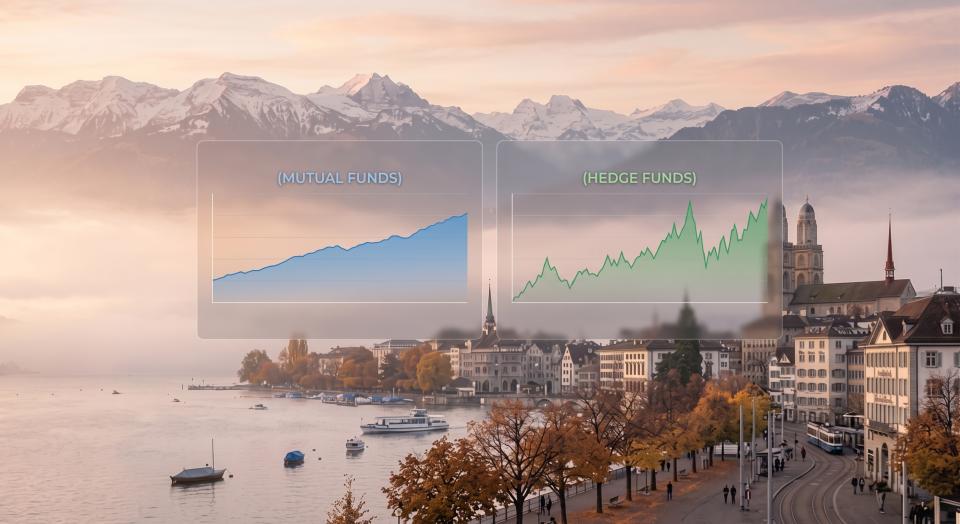
The hedge fund industry provides a useful example. During periods of elevated market volatility, investors frequently seek strategies that emphasize diversification, flexibility, and downside protection. Confidence in the manager’s ability to navigate uncertainty can become just as important as historical performance figures.
Technology has also changed the way confidence is formed. Information now travels instantly across global markets. News, economic data, and corporate announcements can influence investor sentiment within seconds. While greater access to information can improve market efficiency, it can also amplify short-term reactions and volatility.
Long-term confidence is often built through consistency rather than short-term success. Investors typically place greater trust in managers and institutions that demonstrate disciplined decision-making across multiple market cycles. This emphasis on process over short-term outcomes remains a key principle of professional investing.
Institutional investors pay particularly close attention to confidence indicators. Pension funds, insurance companies, endowments, and family offices often evaluate both quantitative and qualitative factors when assessing investment opportunities. Governance, transparency, communication, and risk management all contribute to confidence-building.
Periods of uncertainty often reveal the true importance of confidence. During market stress, investors seek reassurance that portfolios are being managed prudently and that long-term objectives remain achievable. Strong communication and disciplined investment processes become essential during such periods.
Looking ahead, investors confidence is likely to remain one of the most important forces shaping financial markets. As economic conditions evolve and global uncertainties persist, confidence will continue to influence capital flows, asset valuations, and investment decisions across the world.
Ultimately, successful investing depends not only on identifying opportunities but also on maintaining trust. Whether at the level of individual investors, financial institutions, or global markets, investors confidence remains a cornerstone of long-term financial success.